EN RO
EN RO

A surprise called “La Răscoala”: a story about authenticity, tradition, and rural regeneration

I always knew Romania was beautiful, but sometimes, in the most unexpected places, you discover the biggest surprises. That was the case with “La Răscoala,” a little wooden house named after the old hamlet that once stood here and the street that still bears its name today. The hamlet now belongs administratively to the small town of Petrila, Hunedoara county.

Coming down from the Transalpina road, we arrived for the first time in this part of the country. Petrila and Petroșani are small towns with a strong mining and industrial history, today inhabited mostly by retirees who once worked in the mines, and young people who have largely gone abroad. Yet what we found surprised us: clean and well-kept towns, despite the gray apartment blocks inherited from the communist period.

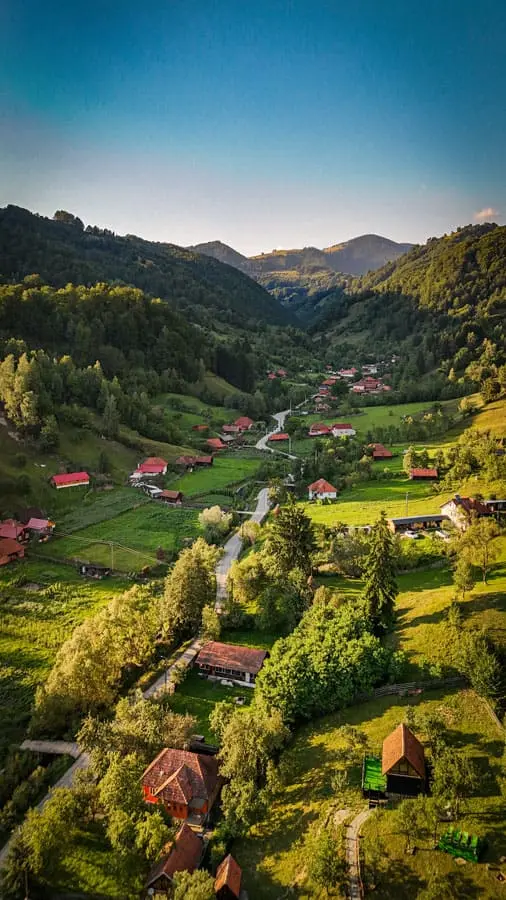
As we got closer to our accommodation, the landscape grew more rural. Suddenly, it felt as though we had stepped into a small paradise tucked among the hills.

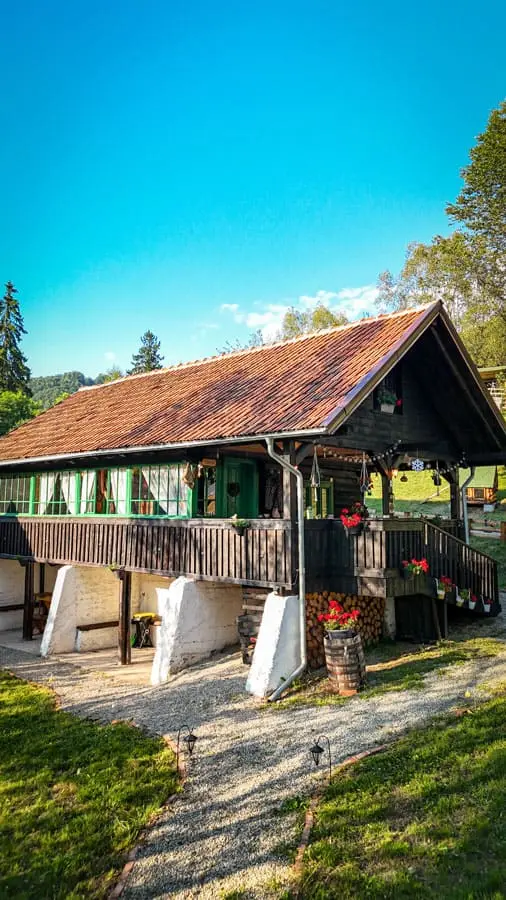
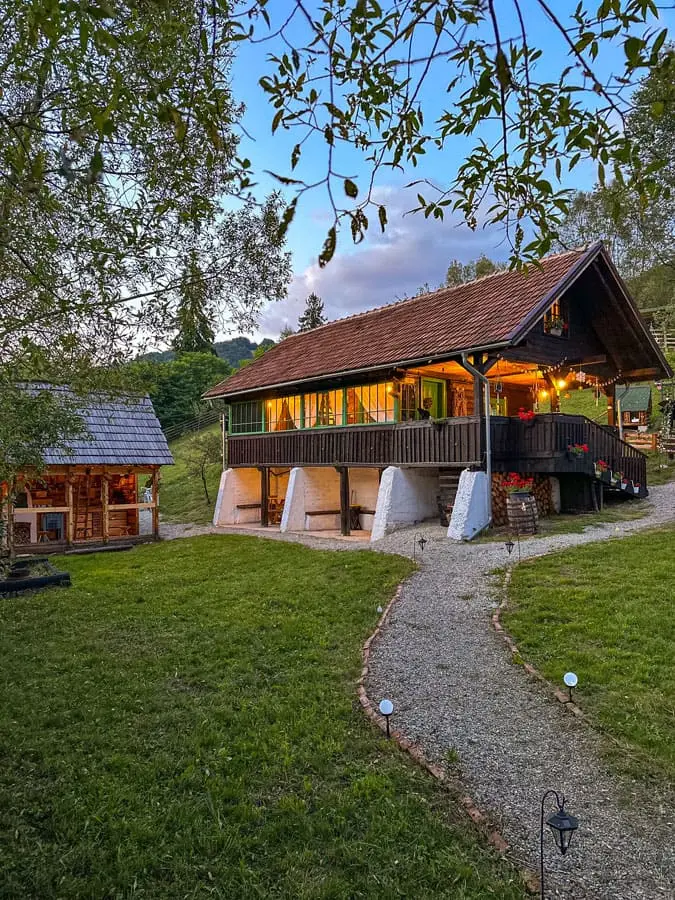
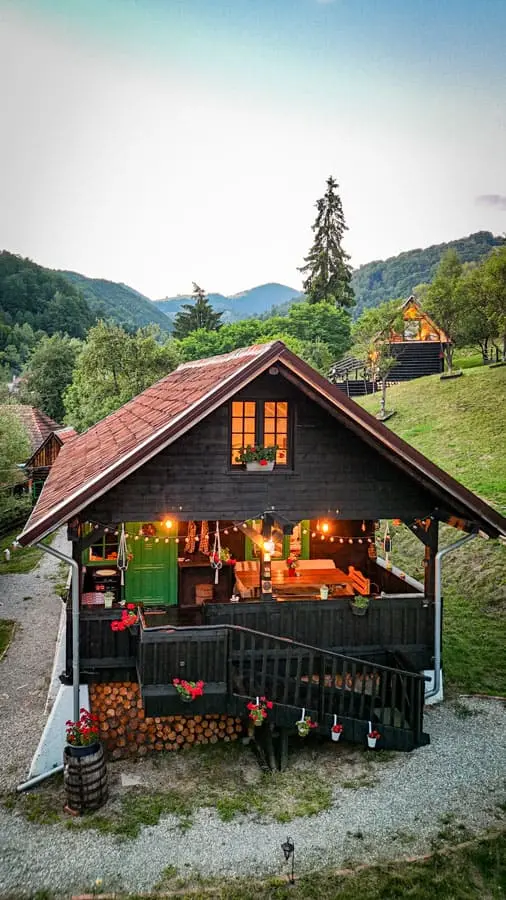
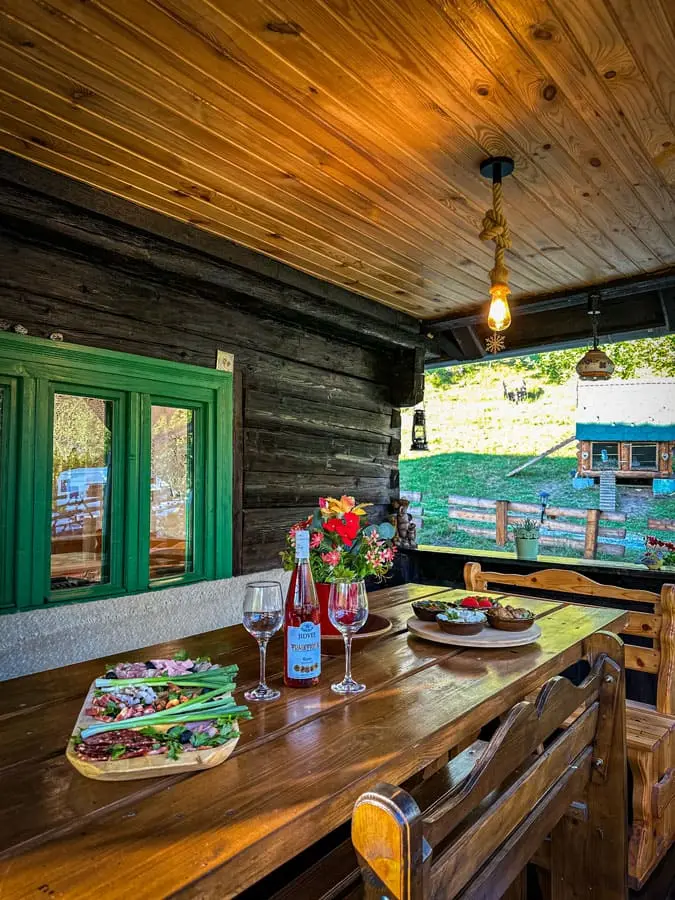
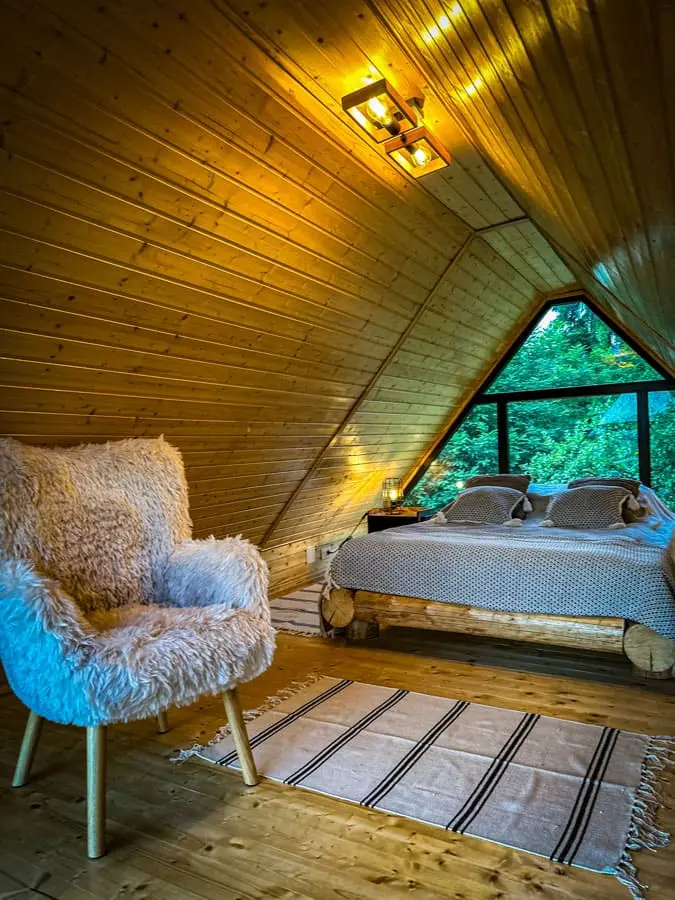
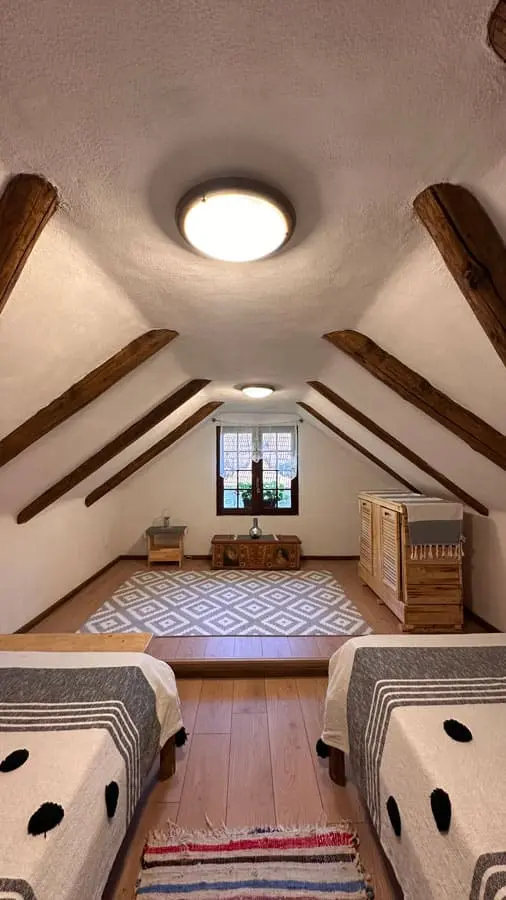
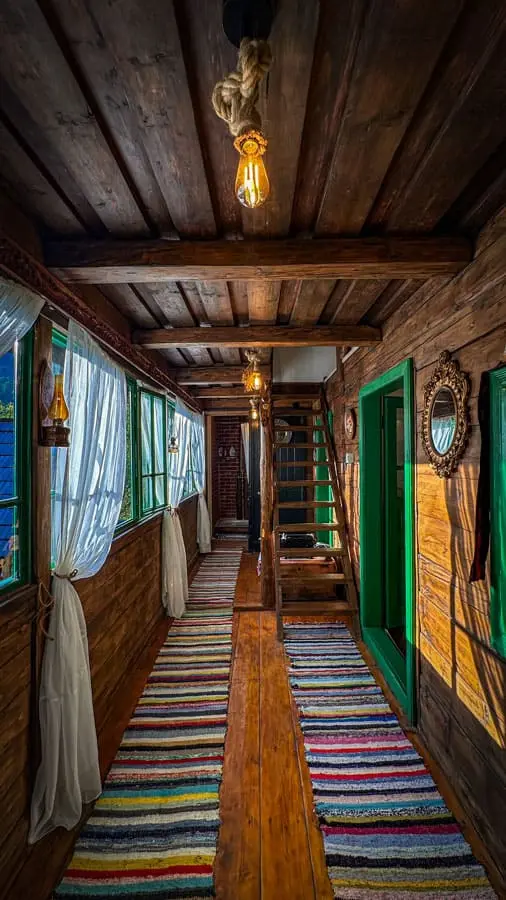
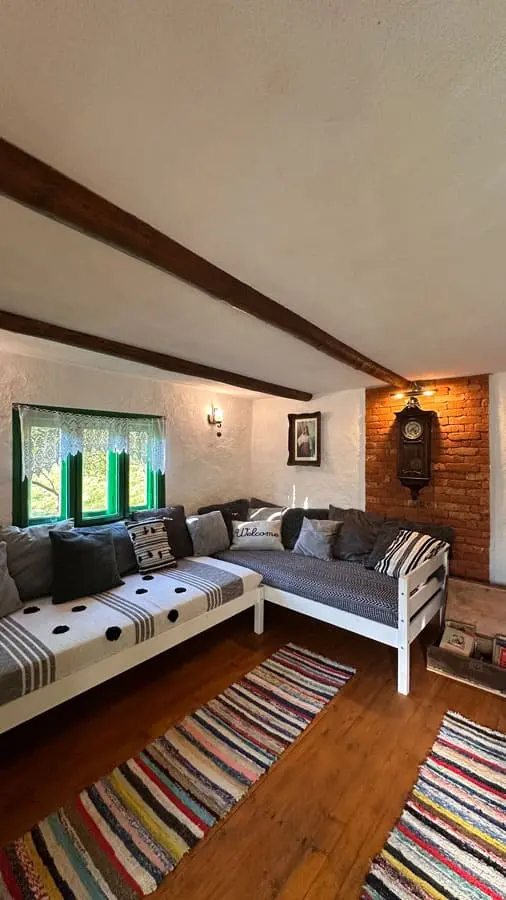
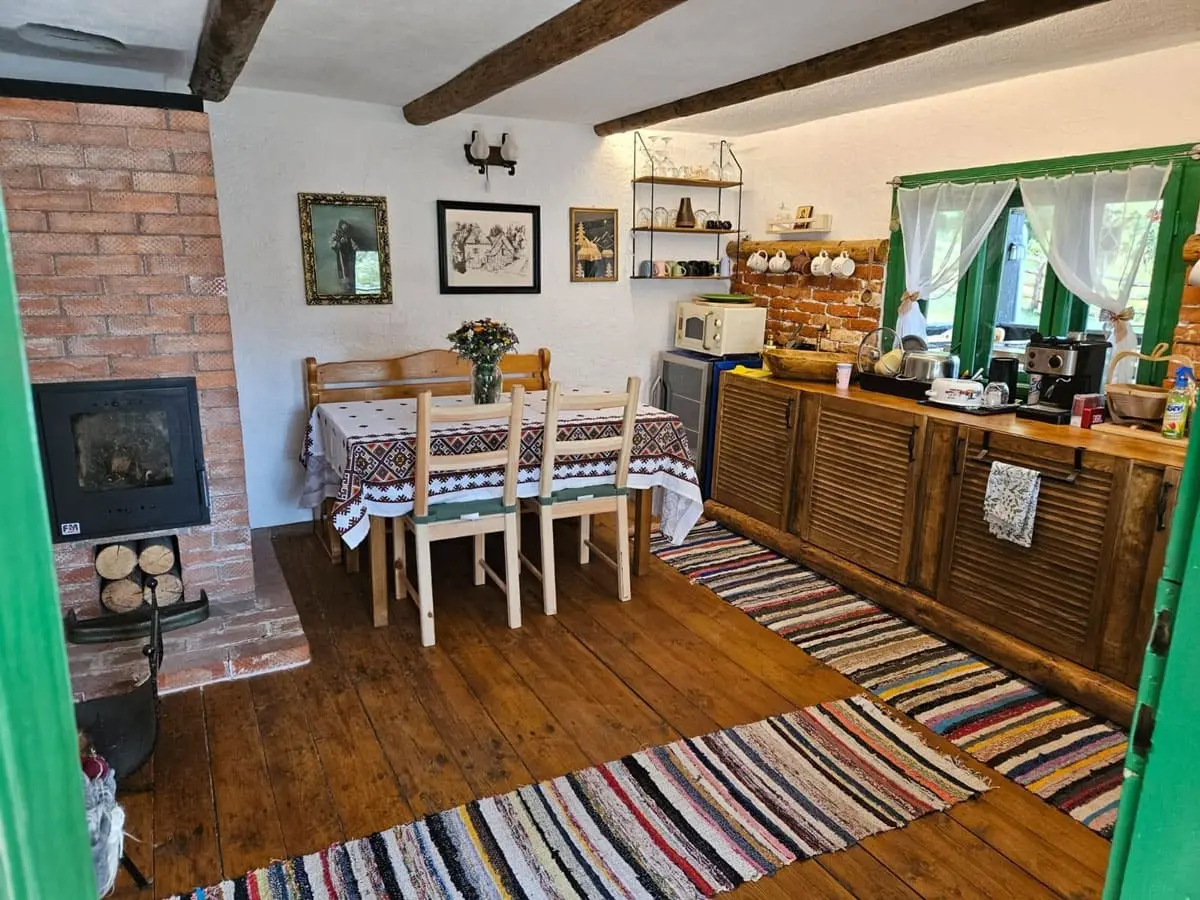
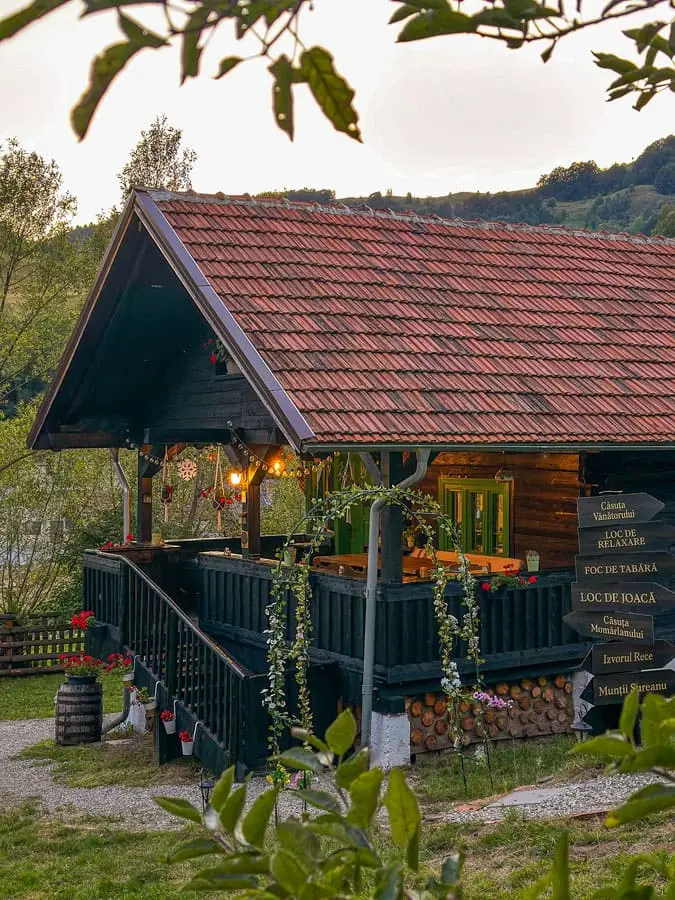
The house “La Răscoala,” with its porch, two bedrooms, kitchen, and living room, was bought by its owners in 2020, during the pandemic. Since then, it has been carefully restored, preserving the tradition and authenticity of the place. The walls were insulated with clay, an old but highly effective and sustainable technique.

To learn more about this special place, I spoke with Oana, the owner of the house.


Interview with Oana Croitoru, creator of the house “La Răscoala” (27 July 2025)

  1. Oana, tell us how it all began. How did you find the house, what motivated you, and what was the initial investment?

    First of all, I want to thank you for the opportunity to share part of the story of “La Răscoala,” and also for choosing, out of so many wonderful options in our country, to spend your time here with us. Since 2016 we dreamed of finding a special place where we could bring our children to spend time outdoors, freely and without restrictions. In 2021, that dream came true: we bought a plot of land with an old wooden house, typical of the Jiu Valley region. It had not been inhabited for many years, but it was still in surprisingly good condition.

  1. Tell us about the renovation process. How long did it take, what challenges did you face, and did you integrate sustainability principles?

    From the very beginning, our goal was to keep the traditional elements intact. All the improvements we made followed the momârlănesc style specific to this region. This former hamlet is almost untouched by modernism. In every yard you can still find an old wooden house preserved with love, as a memory of the ancestors, even if the younger generation has returned and improved their living conditions with modern comfort.

    Our biggest challenge was finding people skilled in the old techniques: working with wood using traditional joinery, plastering with clay, making sure drywall never touched the wooden beams, and many other secrets we learned along the way. To be honest, sometimes I myself was the challenge, since my husband Bogdan believed in the project from the very beginning, while I only became convinced once the house started to take shape. The shortage of craftsmen familiar with these techniques, at least in our region, pushed Bogdan – who works as a sales manager – to learn and work side by side with the few experts we found. As for costs, it’s hard to put into numbers. The full restoration took more than two years, between 2021 and 2023, a period when the price of wood and other building materials skyrocketed.

  1. How did you choose the interior design style? Was it intuitive, researched, or inspired by childhood memories, family, or travel?

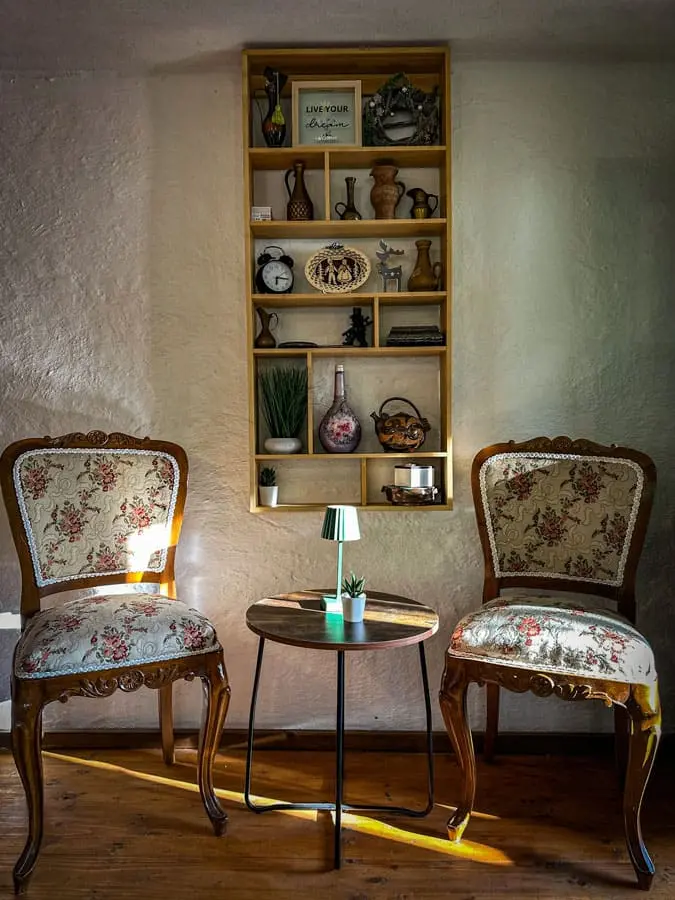
    We mainly followed the traditional momârlănesc houses of the region: old fir-wood homes, protected from time and weather with burnt oil, plastered with clay taken directly from the yard, with porches, green-painted window frames, and stoves fueled by wood. We researched materials that are most sustainable for preserving wood and used everything recommended. Still, we added modern improvements we were accustomed to in urban life, such as indoor bathrooms (originally the toilet was only in the yard).

  1. Is there an emotional story connected to the renovation or the people who helped you?

    There are many, but one that comes to mind is something Bogdan says almost every day: “Only God helped me finish this project.” Despite the many challenges, things always came together in the end.

  2. What advice would you give to those who want to restore an old house but don’t know where to start?

    The most important thing is to check the wood – that it isn’t rotted or water-damaged. I’d also advise not to rush such a project. Let each stage unfold naturally for the best results. And one more thing: don’t expect everything to be perfectly straight or flawless.

  3. When did you decide to turn the house into a small business? 

    After finishing the restoration, we realized we couldn’t use it as much as we wanted because of our busy schedules. So we thought it would be wonderful to let others enjoy life in a wooden house, something we ourselves had never experienced before this purchase. A wooden house greets you with a unique scent, and imperfections such as a cobweb or a creaky floorboard are part of its charm.

  4. What do you want guests to feel when staying here?

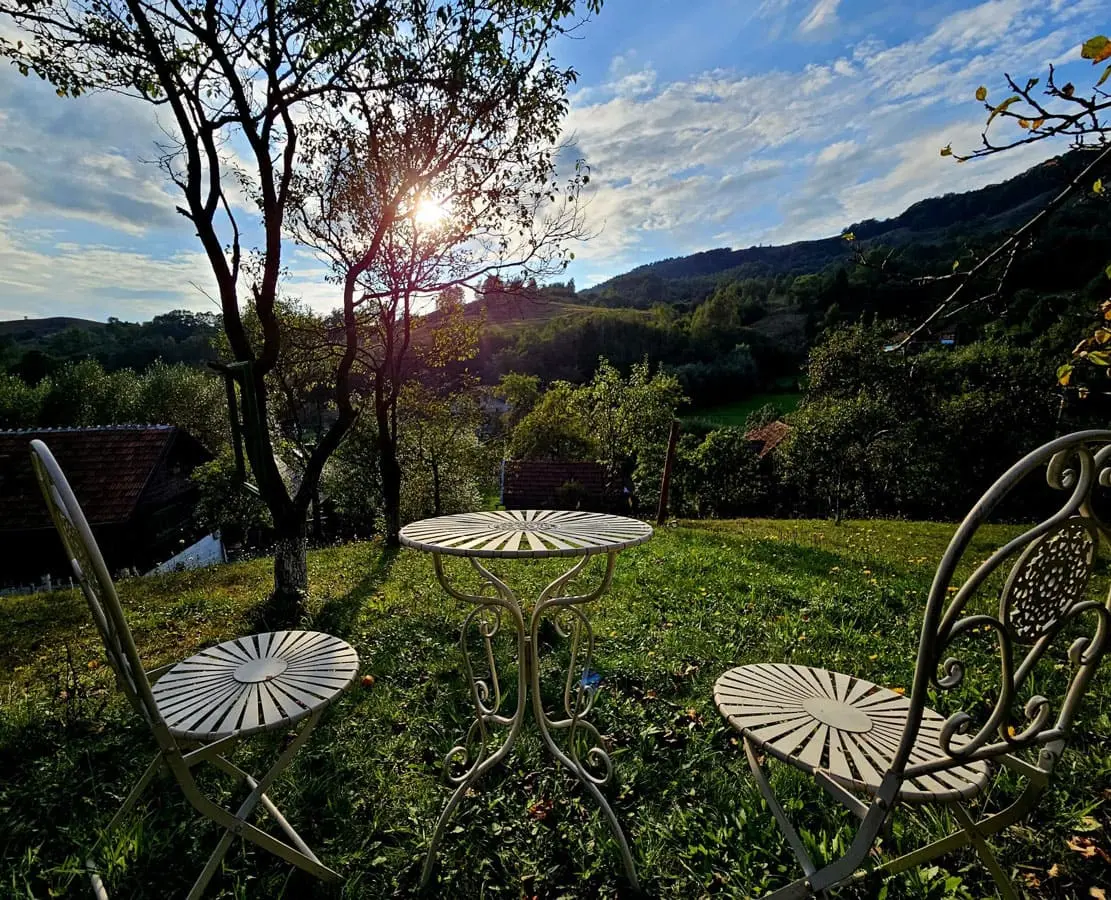
    We want them to rediscover peace and quiet. The phone signal is weak, so people disconnect from work and reconnect with nature. They can walk barefoot in the grass, listen to crickets, hear the murmur of the stream, gaze at the stars, and remember how little it really takes to be happy.

  5. How do you see your role in the local community? Do you plan to promote the region or collaborate with locals?

    Promoting the region goes hand in hand with promoting our house. Our biggest frustration is that people don’t know how many amazing things you can experience as a tourist in Petrila and Petroșani. Close to “La Răscoala” alone there are many sites tied to the mining heritage, as well as the momârlăni traditions, which are attracting more interest lately. We’ve already placed informational boards about local attractions both in our yard and in the community, but what we enjoy most is sharing this knowledge in person.

  1. What are your long-term dreams for this place?

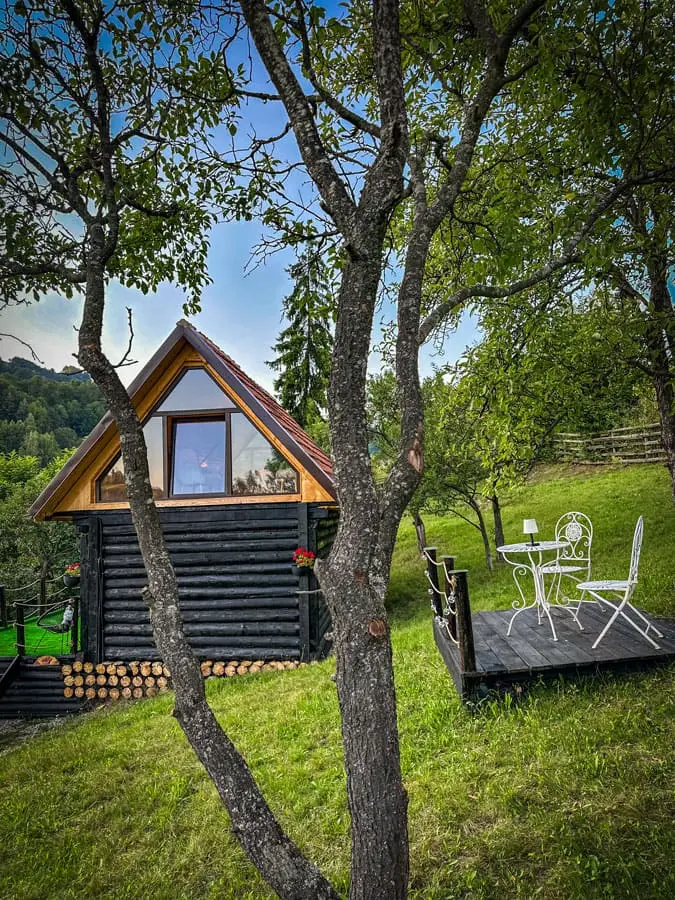
    One dream has already come true: last year we brought another old wooden house from the Petrila community and reassembled it in our yard, like a giant piece of lego. We’ve just finished renovating it and will soon start promoting it, with another beautiful story to tell.

  2. Finally, what message would you share for two groups of people: those who want to save an abandoned rural house, and those who simply wish to spend a few nights in one?

    To those who choose to save an old house, I would say: the most sacred thing in the world is giving life. By bringing life back to a house and a community, you fill your soul with joy, knowing you carry a story forward.

    To those who have never experienced staying in a wooden house, I would say: try it. It is nothing like living in concrete. We sleep best at “La Răscoala” – even our smartwatches confirm it – but beyond rest, it’s about returning to our origins. The simple life, by the stove or around a campfire, the quiet of nature, and fresh air recharge not only the body but also the soul.